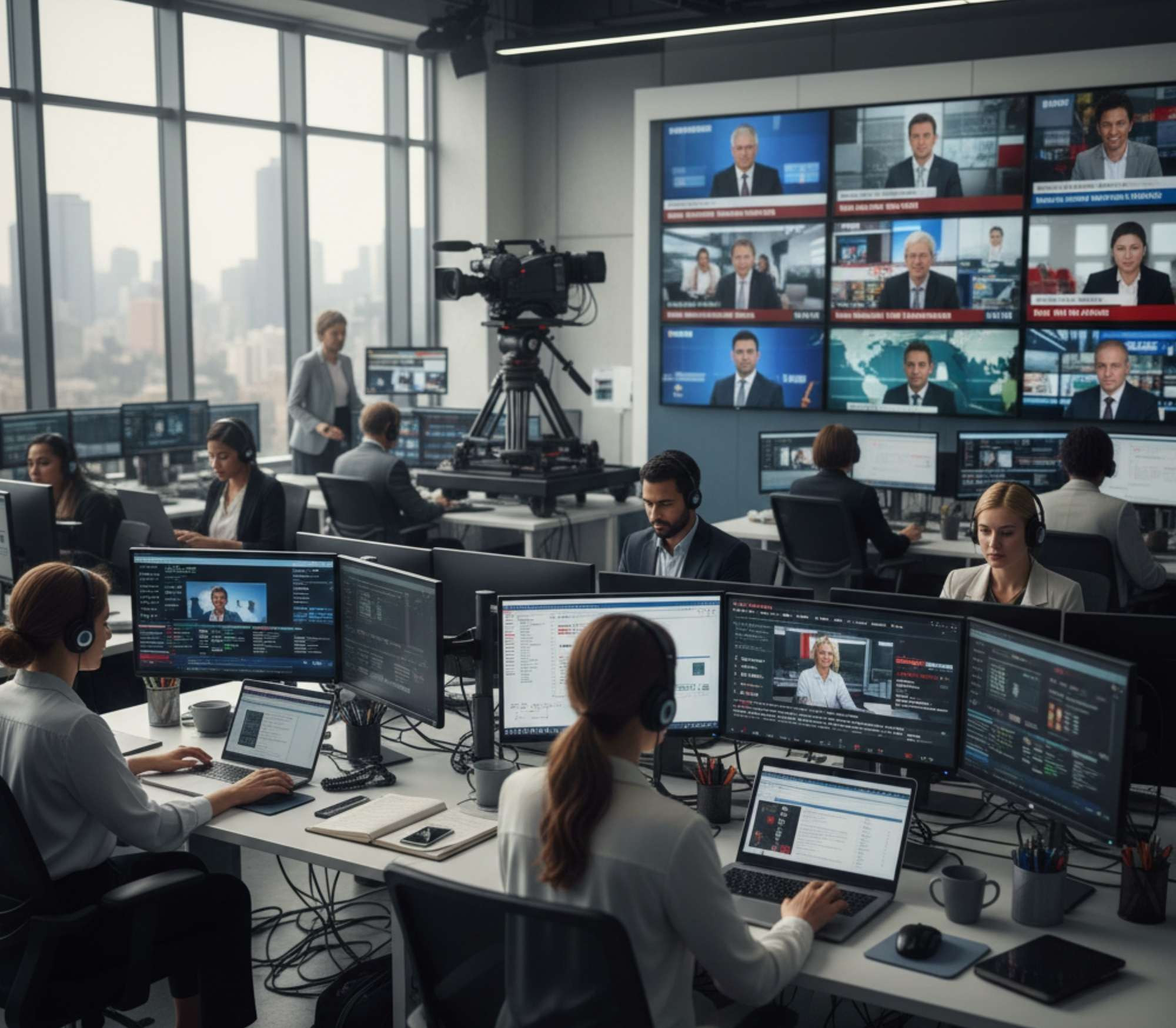


Media and Its Importance
Written by: Iman Al-Hayari
The Concept of Media
Daily news updates, entertainment programs, competitions, advertisements, and similar content are all forms of media broadcast to society for the purposes of entertainment, education, awareness, and information. We see them daily across various media platforms.
The media industry requires adopting multiple types of content and messages, continuously producing, promoting, and framing them in specific formats to address the diverse interests of all segments of society. Some forms are presented as television programs, while others appear as promotional campaigns in magazines or newspapers. Here lies the role of media outlets, defined by the nature of each medium, its requirements, and the target audience.
The success of any media message is measured by the degree of influence it has on the audience, both intellectually and behaviorally. Effective and influential media are those that achieve the widest reach and strongest impact in society.
This requires deep study and an understanding of both society and media. Media institutions cannot exist isolated from their societies, nor can they succeed without crafting content and messages that are convincing and engaging for their target audience.
The diversity of media channels and the variety in content presentation reflect the diversity of audiences. Each group in society has its preferred channels, newspapers, or radio stations. The result of this communicative process between content creators and receivers is shaping certain attitudes or behaviors toward the presented message.
A Brief Overview of Media Channels
Media outlets of all types strive to expand their audiences and reach. They utilize technological advancements to meet audience needs and deliver their content through various formats: print, visual, audio, and new digital media.
Print Media
Print was among the earliest media forms. Newspapers and magazines were once the primary sources of news. Although readership has declined due to digital media, printed press still holds significant journalistic value.
Radio Broadcasting
Radio became popular for delivering news and talk shows, especially for people on the move. Radio programs offered interactive and live communication with audiences.
Television Broadcasting
Television marked a major leap in the development of media and news production. The combination of sound and image rapidly increased its popularity due to accompanying technological advancements.
The Growing Importance of Media
On the Professional Level
Media’s value lies in its ability to influence different sectors of society — from charities and companies to election campaigns and entrepreneurs. Media can multiply success, awareness, and profit opportunities, even facilitating collaborations between small and large institutions.
On the Personal Level
A good relationship with media provides genuine opportunities for individuals. It can amplify one’s name, role, or achievements publicly, especially via social media platforms, serving as a powerful tool for personal branding.
As a Source of Information
Media remains a vital source of information for people interested in politics, economics, sports, health, culture, art, and technology. Beyond reporting, media can serve as a voice for people, questioning policymakers and promoting transparency — provided it maintains integrity and credibility.
The Role of Media in Societal Development
UNESCO has emphasized the importance of free media that embrace diverse opinions and freedom of expression as pillars of transparency and social development.
Media plays several roles in community development:
-
Decision-making: By sharing information among decision-makers, media helps unify perspectives and clarify policies.
-
Public Acceptance or Rejection of Decisions: Media shapes public opinion and can either support or challenge government decisions.
-
Intercultural Dialogue: It promotes understanding between cultures and breaks stereotypes.
-
Raising Awareness: Media informs citizens about social issues and motivates collective action.
The Impact of Media on Individuals
Research shows that media content affects mental health, social behavior, and worldview. It can positively educate or negatively influence individuals through violence or unethical materials.
Media shapes how individuals perceive themselves and their surroundings, influencing values, attitudes, and emotional responses. For this reason, families must guide younger generations toward beneficial media use.