

The Impact of Media on Youth
Written by: Islam Ghneimat
Media and Youth
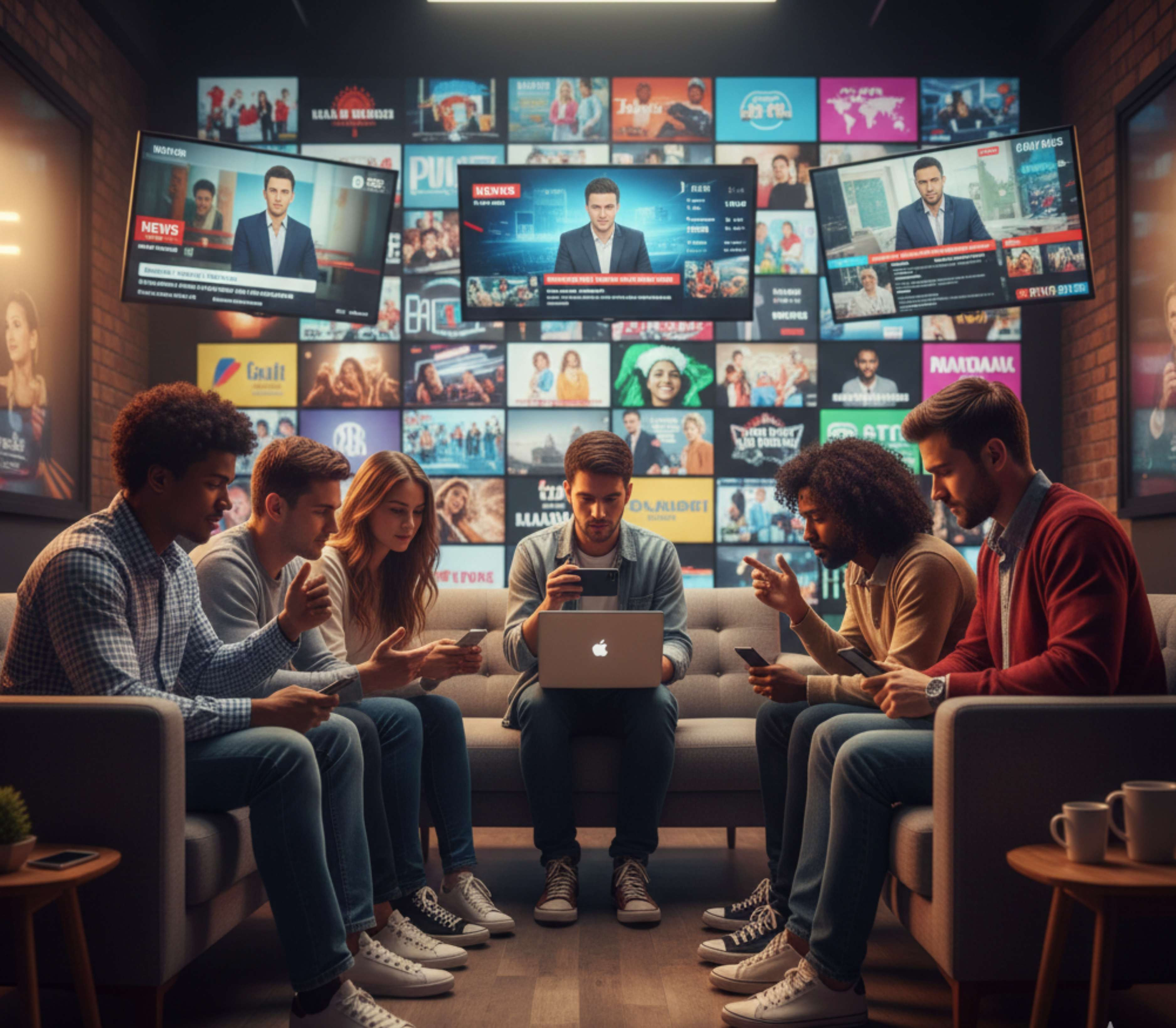
The significant impact of media, with its various means, is evident on sensitive aspects of the lives of children and youth, particularly the psychological and social ones. Below are the main areas influenced by the media:
Education
Television often plays the role of a teacher, as it includes educational programs aimed at teaching children how to cooperate with others and promoting harmony among people of different races and genders without discrimination or bias. It also encourages them to visit libraries, museums, and engage in sports activities — all through educational videos.
Violence
The television screen is a window to thousands of scenes filled with acts of violence, murder, rape, and other crimes. According to specialized studies, children who are exposed to such content tend to exhibit increased aggressive behavior and higher suicide rates.
Nutrition
When children spend too much time watching television, their physical fitness decreases due to the lack of physical activity. Moreover, they develop a tendency to consume high-fat foods while watching, driven by advertisements that promote unhealthy habits.
Moral Aspect
This is reflected in the presentation of immoral media content displayed on television. Such content often normalizes unethical behavior by portraying it as natural and harmless, without addressing its consequences.
The Concept of Media
Media refers to a collection of communication tools such as television, radio, newspapers, magazines, and the internet, all of which work together to influence public opinion on a large scale. Media channels employ various formats — print, audio, visual, and digital — to cover diverse fields including education, entertainment, news, and information sharing.
Historical Perspective on Journalism and Media
According to historical records, the 15th century witnessed the rise of the printing revolution, which marked the beginning of mass printing of newspapers and books. However, the term “journalism and media” was not in use until the early 20th century. In modern times, it encompasses audio and visual media as advanced tools that provide informational and entertainment content, thanks to the technology that fueled the tremendous growth of journalism and media.