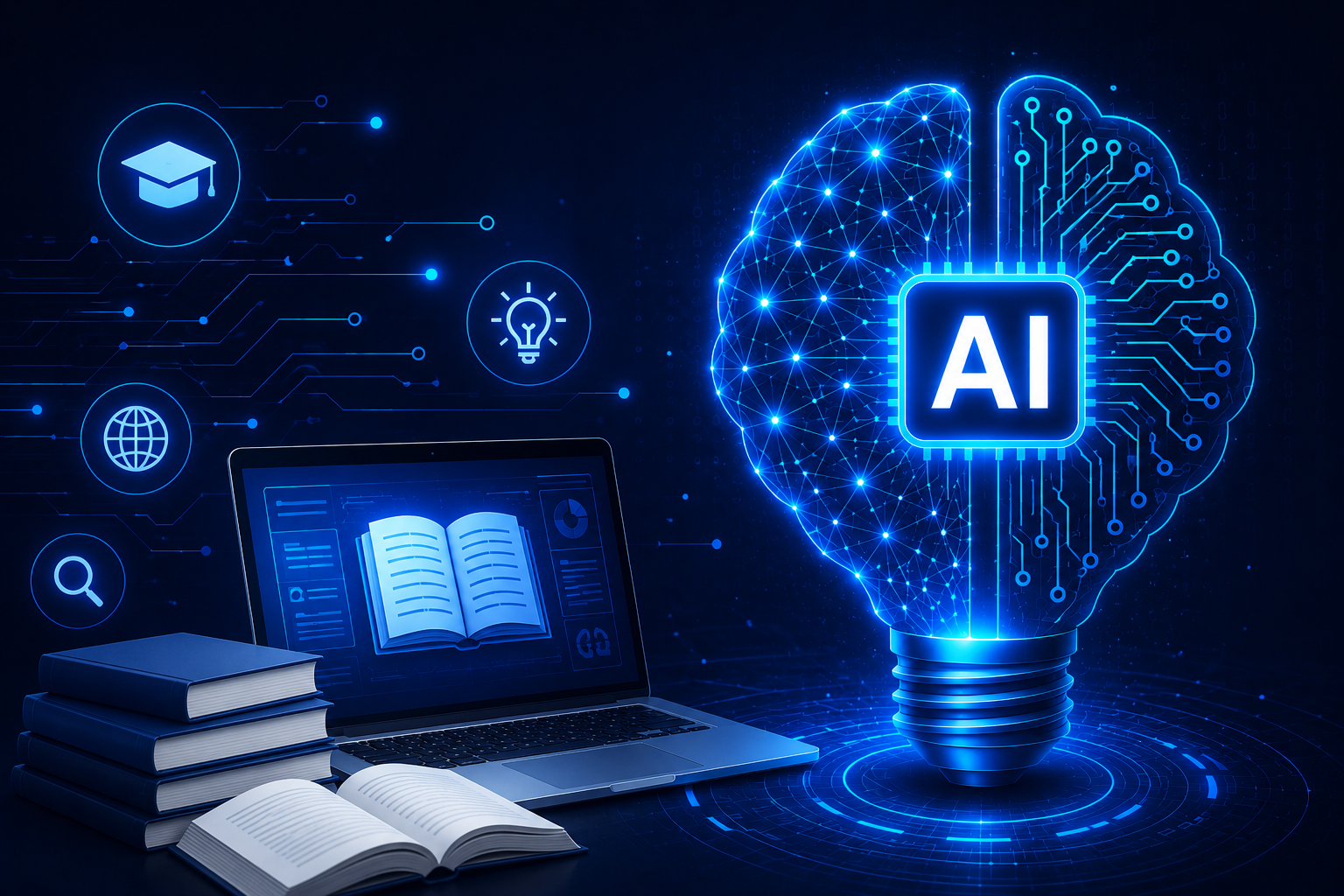


The Importance of Continuous Learning in Technical Fields
In the modern era, the world is witnessing rapid technological development that affects various aspects of life. Technology has become an essential element in work, education, communication, and institutional management. With this rapid progress, the skills required in the job market are constantly changing, and new technologies and tools continue to emerge, requiring updated knowledge and expertise. For this reason, continuous learning has become one of the most important factors that help individuals achieve success and professional growth, especially in technical fields that rely heavily on innovation and constant updates.
Continuous learning refers to the ongoing process of acquiring knowledge and skills with the aim of developing personal and professional capabilities. It is not limited to academic study only, but also includes training courses, workshops, online learning, reading specialized books and articles, and keeping up with the latest developments in one’s field of work. This type of learning is considered essential in technical fields because of the rapid pace of technological change and the constant emergence of new tools and software.
In the past, individuals could rely on the skills they learned at university or at the beginning of their careers for many years. Today, however, this has become much more difficult. Technical skills that were in demand a few years ago may become less important with the emergence of modern technologies based on artificial intelligence, cloud computing, data analysis, and automation. Therefore, professionals in technical fields need to continuously update their knowledge in order to keep pace with developments and maintain their competitiveness in the job market.
One of the main benefits of continuous learning is that it helps individuals acquire new skills that open up broader career opportunities. Learning modern programming languages, data analysis tools, or cybersecurity technologies can provide opportunities to work in advanced and highly demanded fields. In addition, companies and institutions increasingly seek employees who are capable of learning and adapting to rapid changes, as this contributes to improving the work environment and enhancing organizational performance.
Continuous learning also contributes to improving employment opportunities and career advancement. Individuals who are committed to developing their skills have greater chances of obtaining distinguished jobs and higher salaries compared to those who rely solely on outdated experience. Modern organizations prefer employees who pursue self-learning and acquire new expertise, as they are more capable of dealing with technical challenges and providing innovative solutions.
Another important aspect is that continuous learning helps individuals keep pace with rapid technological advancement. The digital world constantly witnesses the emergence of new technologies such as artificial intelligence, the Internet of Things (IoT), big data analytics, cloud computing, and cybersecurity technologies. These fields evolve very quickly, making continuous learning essential for understanding and using these technologies effectively.
Continuous learning also increases professional confidence among individuals, as acquiring new knowledge gives people a stronger sense of ability to face challenges and work with modern technologies. Employees who possess up-to-date skills are more prepared to participate in advanced projects and take on new responsibilities within organizations.
Another major benefit of continuous learning is the enhancement of creativity and innovation. Exposure to new ideas and technologies helps individuals think in different ways and develop innovative solutions to problems. Keeping up with modern developments also creates opportunities for developing new projects and businesses that contribute to improving performance and increasing productivity.
Successful organizations are keen to encourage their employees to engage in continuous learning because they realize that developing employees’ skills directly reflects on the quality of work and efficiency of performance. Therefore, many companies organize training courses and professional development programs that help employees acquire modern skills aligned with labor market needs.
Technological advancement has also greatly facilitated the learning process, as online educational platforms now provide broad opportunities for remote learning. Today, individuals can study various technical fields through the internet without the need for traditional attendance. These platforms offer specialized courses in programming, cybersecurity, artificial intelligence, data analysis, business management, and many other modern fields.
One of the most notable advantages of e-learning is flexibility in time and place, as learners can study according to their own schedules and from anywhere in the world. Educational platforms also provide diverse content suitable for different levels, whether for beginners or professionals. Furthermore, professional online certifications help strengthen resumes and increase opportunities for obtaining distinguished jobs.
Despite the many advantages of continuous learning, there are some challenges that individuals may face, such as limited time or difficulty balancing work and study. Some people may also feel frustrated when encountering complex technologies or new information that requires significant effort to understand. However, success in continuous learning depends on patience, organization, and setting clear goals that support consistency and gradual progress.
It is also important for individuals to choose fields that match their interests and the nature of their work, as focusing on skills that are in demand in the job market increases the practical benefits of learning. It is also recommended to apply acquired knowledge practically through projects and experiments, because practical application helps reinforce information and develop real expertise.
With the continued growth of digital transformation, continuous learning will become even more important in the future, especially with the increasing reliance on technology across different sectors. Modern organizations need employees who can adapt to changes and efficiently use modern technical tools. Therefore, investing in learning and skill development is considered one of the best investments an individual can make to build a successful and stable professional future.
In conclusion, continuous learning has become an essential necessity in technical fields due to the rapid changes taking place in the digital world. It helps develop skills, improve job opportunities, and increase the ability to innovate and adapt to modern developments. Moreover, the availability of online educational platforms has made learning easier and more flexible than ever before. Therefore, striving to acquire knowledge and continuously update skills is an important step toward achieving success and excellence in professional life.
References:
- Coursera Online Learning
- edX Professional Learning
- Udemy Technology Courses
- LinkedIn Learning Resources
- Harvard Business Review – Continuous Learning
- Microsoft Learn Platform